
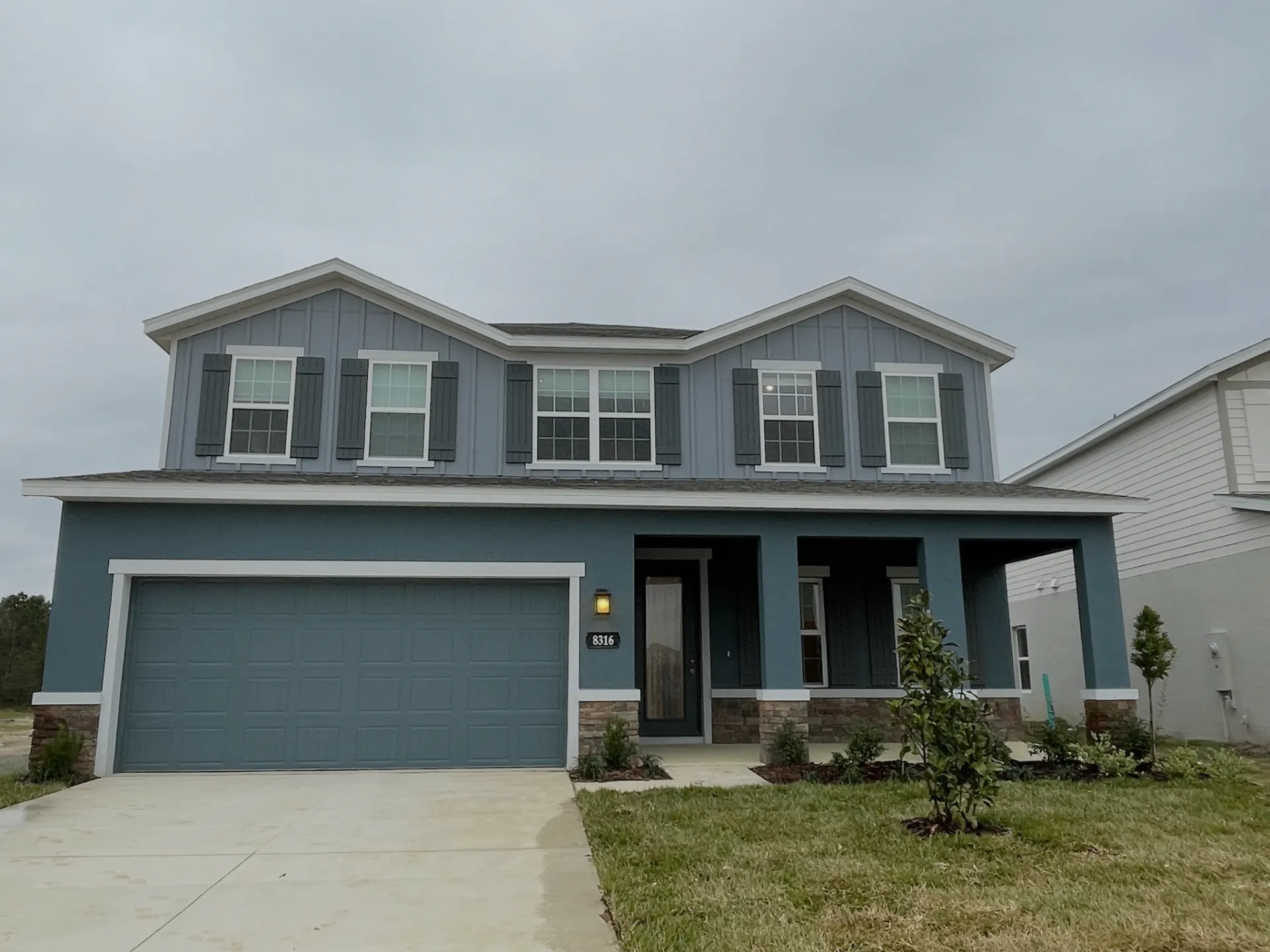
Yes — you can paint vinyl siding, and a professional repaint lasts 8–12 years in the Tampa Bay area. It's one of the most cost-effective ways to transform a tired exterior without the five-figure price of replacement. But vinyl is not the same as wood or stucco: get the paint type or the color wrong and the siding can warp in Florida's heat. Here is exactly how it's done right, what it costs in 2026, and when painting beats replacing.
The Two Rules That Make or Break a Vinyl Repaint
Painting vinyl siding succeeds or fails on two decisions, both made before a single brush is lifted:
- Use vinyl-safe paint. You need 100% acrylic exterior paint formulated to flex with vinyl as it expands and contracts. Sherwin-Williams VinylSafe and similar lines are engineered for exactly this. Standard wall paint will crack and peel.
- Choose a color the same shade or lighter than the original. Dark colors absorb heat, and overheated vinyl buckles. Vinyl-safe ranges include approved darker tones that reflect heat — but going significantly darker than the original is the #1 cause of warped siding.
Why Florida Makes Vinyl Painting Trickier
Tampa Bay's intense UV, daily humidity, and coastal salt air are tough on every exterior coating — and vinyl adds a twist: thermal movement. On a hot Florida afternoon a south-facing wall can swing dozens of degrees, and the panels expand accordingly. That's why color and paint flexibility matter so much here, and why prep can't be skipped. Mildew and chalk build up fast on Florida vinyl, and paint will not bond to a dirty surface. Our exterior painting team in Tampa treats prep as 70% of the job.
How to Paint Vinyl Siding (Step by Step)
- Wash thoroughly. A full house wash or gentle pressure wash removes mildew, salt, chalk, and dirt. (See our pressure & soft washing services — we include this prep on every exterior job.)
- Repair and caulk. Replace cracked panels, re-seal gaps around windows, doors, and trim.
- Spot-prime only where needed. Chalky, pitted, or previously-peeling areas get a bonding primer; sound vinyl does not need it.
- Apply two coats of vinyl-safe acrylic. Sprayed and back-rolled for even coverage and adhesion, in the right temperature window.
- Paint in the right conditions. Avoid painting in direct mid-day sun or before afternoon storms — timing matters in Florida.
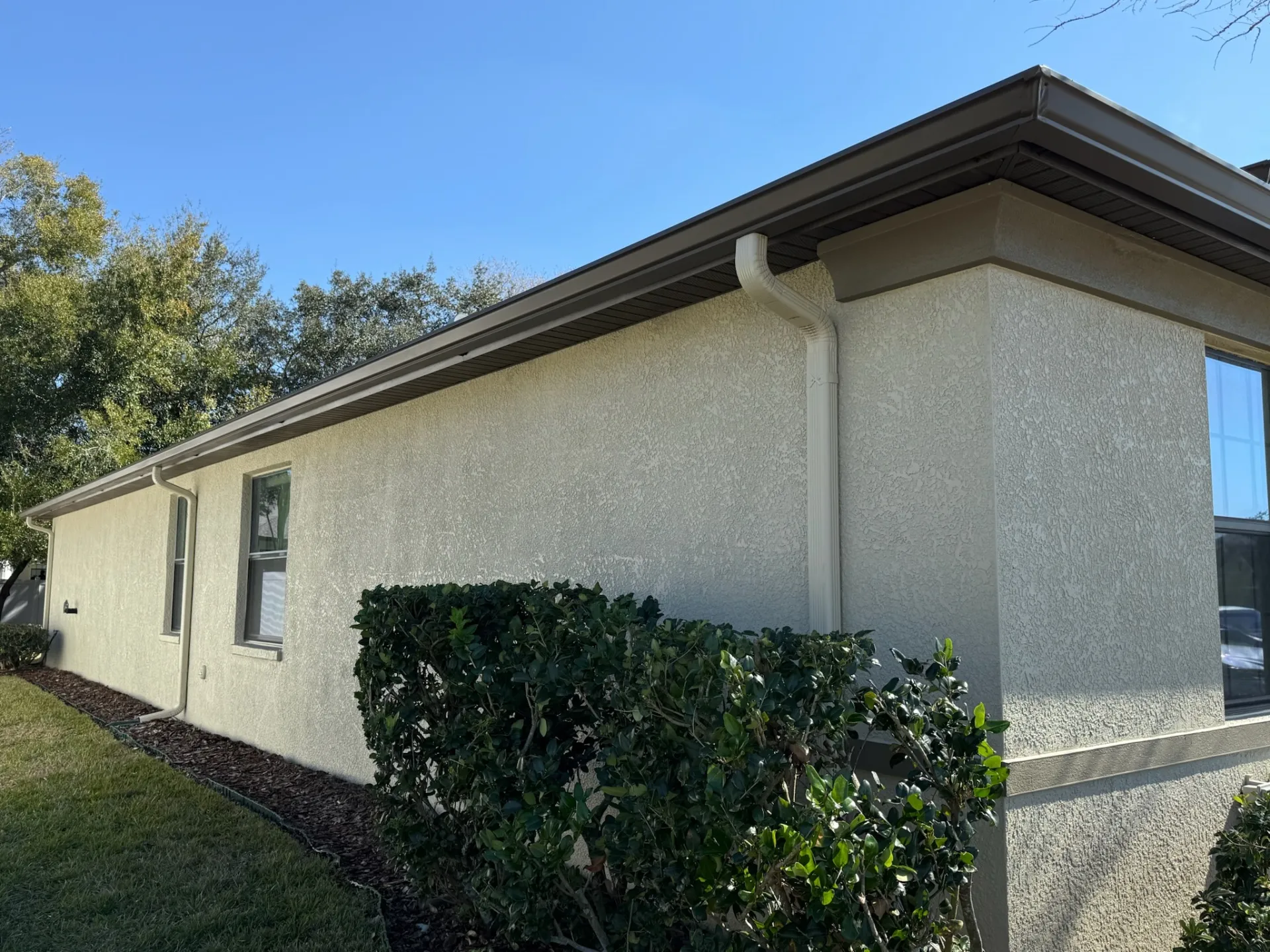
What Does It Cost to Paint Vinyl Siding in Tampa? (2026)
Painting vinyl siding in Tampa typically runs $3,000–$8,500 for most homes, depending on size, number of stories, surface condition, and prep needed. Here's a rough guide:
| Home size | Typical cost (painted) |
|---|---|
| Single-story, ~1,200–1,600 sq ft | $3,000 – $5,500 |
| Two-story, ~1,800–2,400 sq ft | $5,000 – $8,500 |
| Large / complex (2,500+ sq ft) | $8,000 – $12,000+ |
Every home is different — for an exact number, get a free same-day estimate or call (727) 355-6223.
Paint vs. Replace: Which Is Right for Your Home?
If your vinyl is structurally sound but faded, outdated, or chalky, painting is the smart move — it costs 50–70% less than replacement and refreshes your curb appeal in days, not weeks. Replacement only makes sense when panels are cracked, brittle, storm-damaged, or hiding moisture problems. For most Tampa Bay homes we see, a quality repaint delivers the look of new siding at a fraction of the price. Our Tampa painting contractors will tell you honestly which one your home needs.
Frequently Asked Questions
Can you paint vinyl siding?
Yes. Vinyl siding can be painted, and a professional repaint lasts 8–12 years when it's done with vinyl-safe acrylic paint over properly cleaned siding. The two rules that matter most are using paint formulated for vinyl and choosing a color that is the same shade or lighter than the original — never significantly darker.
Why can't you paint vinyl siding a darker color?
Dark colors absorb more heat. Vinyl expands and contracts with temperature, and a darker-than-original color makes the panels absorb enough heat to warp, buckle, or pull loose — a real risk in Tampa's sun. Vinyl-safe paint lines (like Sherwin-Williams VinylSafe) include approved darker shades engineered to reflect heat, but as a rule we keep the new color at or above the siding's original light-reflectance value.
Do you have to prime vinyl siding before painting?
Usually not, if the siding is in good condition. Clean, sound vinyl takes vinyl-safe acrylic directly. Primer is only needed where the surface is chalky, pitted, or has been previously painted and is peeling. The most important prep step in Florida isn't priming — it's a thorough wash to remove the mildew, salt, and chalk that cause paint to fail early.
How long does paint last on vinyl siding in Florida?
A professional job using 100% acrylic vinyl-safe paint typically lasts 8–12 years in the Tampa Bay area. Florida's UV, humidity, and salt air are hard on coatings, so longevity comes down to prep quality, paint grade, and color choice. Premier Contractors FL backs every exterior project with a 2-year workmanship warranty.
Is it cheaper to paint or replace vinyl siding?
Painting is almost always cheaper — typically 50–70% less than replacement. Painting a Tampa home runs roughly $3,000–$8,500, while replacing vinyl siding usually starts well above $10,000. Replacement makes sense only when the siding is cracked, brittle, or failing; if it's structurally sound, painting is the cost-effective refresh.